

Spotting an Online Predator
Method 1:
Spotting potential signs of trouble.Step 1

They may be trustworthy, generous, or even funny. Whenever someone you know or don't know makes you uncomfortable or pressures you for inappropriate activities, take measures to protect yourself.
Step 2
Over time, a predator might engage in activities to plant seeds of trust. Grooming happen over short conversations, or can even occur over a few weeks or months.1
Book a service online
Step 3

Your safety should always be your first priority - know the red flags and never agree to meet someone whose background and motives remain uncertain.
Step 4
Flattery like this could be an attempt to make you feel obligated to the person who said it. Don't be fooled by lavish compliments - be cautious and stay safe.
Step 5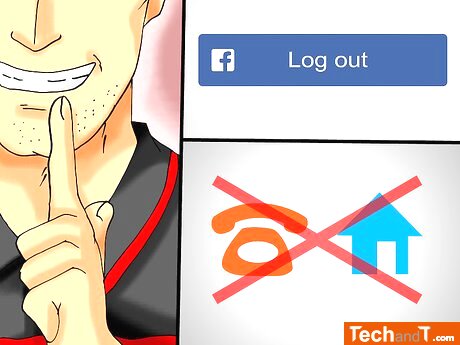
Look out for any behavior that could be considered suspicious. Any threats that suggest harm could be from an online predator. Immediately leave the site or chat room if you feel scared or threatened. Don't give out any personal details like your phone number or address.
Step 6
Examine your child’s behavior to see if there are any changes. If you’re worried that an online predator may be targeting your child, there are certain signs to look out for. Consider whether your child: is secretive about their internet activities, has an excessive fixation on the web, covers up their computer screen when an adult is present, is getting calls or messages from an unidentified source, or is downloading or creating pornography for a predator.
TimeScale:
Approx. Time Required: 12 Minutes