

Identify Online Predators
Method 1:
Recognizing indicators that could be cause for concern.Step 1

These types of predators often act with an agenda to gain the trust of their victims. It's important to know that many online predators have common traits. They may be very inviting and appear overly friendly, attempt to gain trust, or target children or teens with the intention of exploiting them sexually. Some may be complete strangers, whereas others may be someone you already know such as from work or school. It is important to be cautious and aware of these tendencies.
Step 2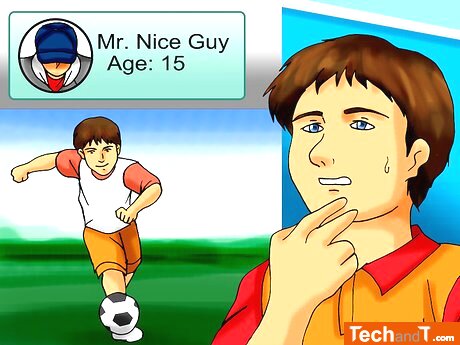
The process of gaining trust is called grooming. It can happen quickly, such as within one conversation, or gradually, over a few weeks or even months. [1] Research Source: [1] https://www.missingkids.org/theissues/onlineexploitation/understand-grooming.
Book a service online
Step 3

Familiarize yourself with the warning signs of online predators and be alert when someone is suspiciously insistent on meeting you. Staying safe, both online and offline, is of utmost importance.
Step 4
Take extra caution if someone is giving you too many compliments, as this is a tactic often used to manipulate you. Be wary of people trying to flatter you.
Step 5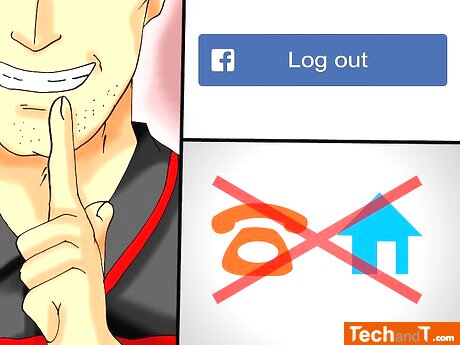
If a person asks for it, exit the website or chat room immediately. If you hear anything that makes you feel uneasy or uncomfortable, it is essential to take action.
Step 6
Examine your child's behavior for signs of possible online predation. Pay attention to if your child is being secretive about their online activities, is excessively hooked onto the Internet, tries to conceal the screen from sight when an adult appears, obtains calls or texts from a stranger, and/or downloads or manufactures pornography for the predator.
TimeScale:
Approx. Time Required: 12 Minutes