

Investigating DDoS Attacks Report
Method 1:
Examining the assault/strikeStep 1
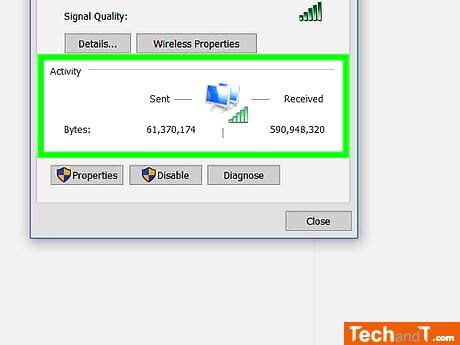
No matter what the attack type is, reviewing and analyzing your network’s data is essential. Have the knowledge of information on hand when asked about the specifics of the attack. Collect as many data points as possible, such as analytic logs, graphs, and traffic.
Step 2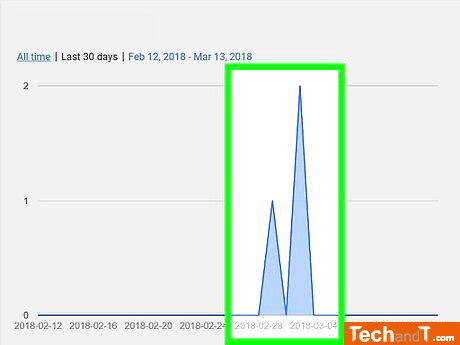
To pinpoint the start and end of the attack, analyze available graphs or data to observe when the spike in traffic initially occurred. This will identify when the attack began. If the attack is complete, note when the traffic decreases. If the attack is ongoing, pay attention to how much time has elapsed. Additionally, consider if the attack coincided with another event, such as the launch of a new program or heightened publicity about your company.
Book a service online
Step 3
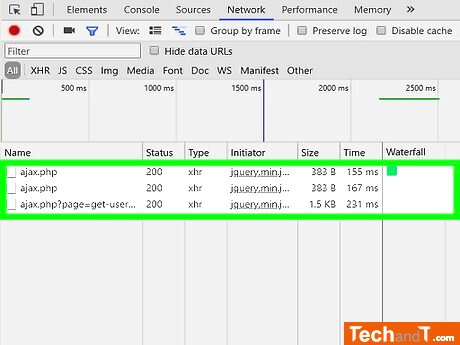
Check your web logs or tracking tools to identify which packet types are present and in what volumes, as an abnormal increase in a single type can indicate a DDoS attack.
Step 4
If you receive any kind of threats or demands for services, it is a sign of a DDoS attack and you should also keep record of these.
TimeScale:
Approx. Time Required: 8 Minutes